

Why a letter helps when the calls are not
Time zones turn calls into negotiations. By the time you have both found an hour, one of you is tired and the other is rushed. The conversation gets thinner. The relationship starts to feel like logistics.
A letter does not negotiate. They open it when they have time. They sit with it for as long as they want. They reread it on the days the call slot does not work. It gives the relationship back some of the air that the time zones took away.
How to write it when the hours are stacked against you
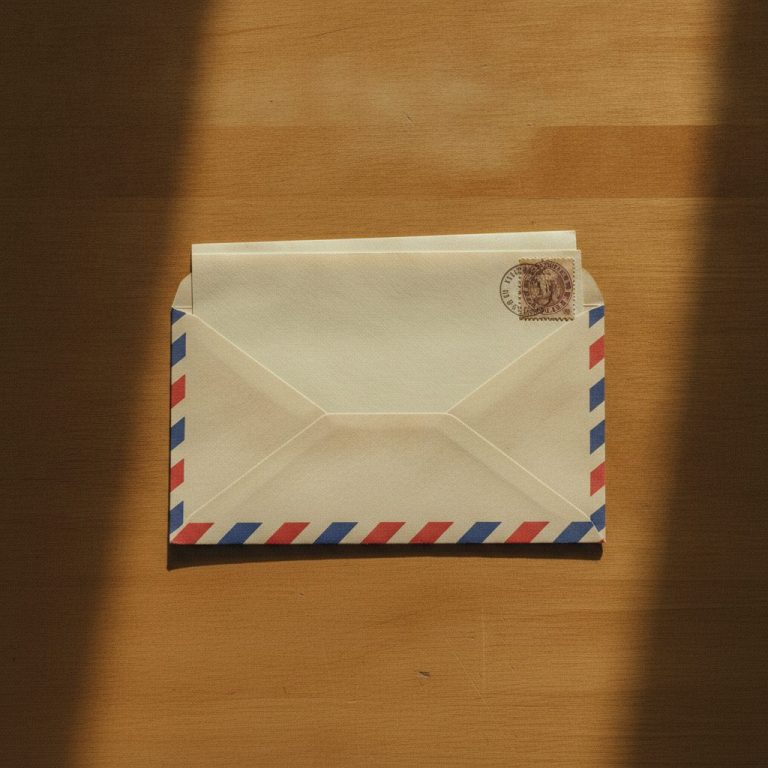
Open with their name and a small note about when you are writing. “It is just past midnight here.” “I am writing this on the bus to work.” One line that pulls them into your hour without making it a complaint.
Name three small things from a day that you have not had a chance to tell them on a call. The good coffee. The book you started. The thing that made you think of them. Three. Recent. Specific. This is the part of your life the time zones have been eating.
Add one honest line about the hard part. Not the whole hard part, just one line. “I miss the same bedtime.” “The mornings are quiet without you.” “Tuesday is the worst day for us, and I do not know why.” One sentence about the cost, then move on.
Then one line about why you are still doing this. “You are worth the wrong-time calls.” “I would do these hours again for you.” Plain. Short. Theirs. The relationship needs to hear that the time zones are not winning, even on a hard week.
The line they will reread before sleep
Somewhere in the letter, give them one small piece of you that does not need a time zone. A song you played for them. A photo you slipped in. A line from a book you both like. Something that arrives once and stays. The letter does not have to do all of it on its own.
Close with a wish sized to their day, not yours. “I hope your morning is gentle.” “I hope tonight is quiet.” Sign it with the name they call you when the call finally connects.
Examples to borrow from
Letters from couples holding the line across hard time zones.
- Read Past Midnight Here, Just Coffee There, a letter written across an eight-hour gap.
- Read For the Same Bedtime One Day, a quiet letter about a small wish.
- Read Worth the Wrong-Time Calls, a short letter on choosing it again.
- Read The Book You Lent Me, Halfway Through, a letter built around a shared object.
- Read Tuesday Is the Worst Day, and Other Truths, an honest letter about the cost.
What to avoid
- Listing every missed call and rescheduled hour. The letter is not a ledger.
- Making the whole letter about the time zones. One honest line is enough.
- Long passages about how hard distance is. They know, they are in it.
- Counting hours until your next overlap. Save that for the kitchen calendar.
- Apologising for writing late. You wrote, that is the answer.
Frequently asked questions
What do I write in a love letter when time zones are hard?
Name three small things from your day that the calls have been missing, add one honest line about the cost of the hours, and one line about why you are still doing this. Give them one small piece of you that does not need a time zone, then close with a wish sized to their day.
How do I write it when I am exhausted from bad sleep?
Write it short. A half-page letter from a tired week is honest and the reader can feel it. Do not push for length when the time zones have been taking your sleep. Plain, short, and true is the brief.
Should I mention the time difference in the letter?
Once, in the first line, naming where you are in the day. That pulls them into your hour. After that, do not bring the clock up again. The letter is meant to be a break from the clock, not another reminder of it.
What if we are about to close the gap?
Write the letter anyway, and add one small line about what the first non-time-zone week will look like. “I want to make you coffee on a Saturday.” “I want to be in the same bed at the same time.” One line. Anchor, not countdown.
Further reading
For a wider look at why long-distance love letters still matter, see The Atlantic on the lost art of love letters.
Read more about how we host and lightly edit submissions in our editorial standards.