
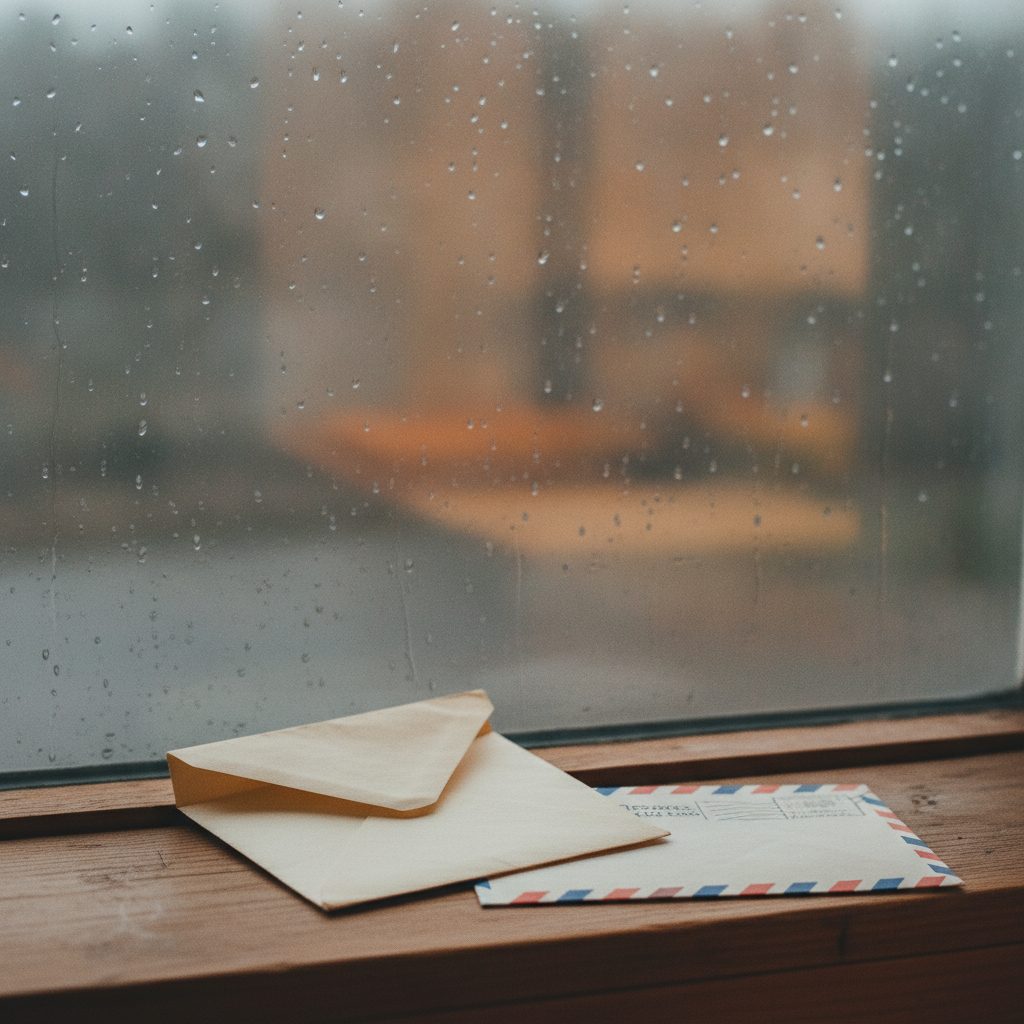
Why writing it matters even if you do not send it
Missing someone has a way of sitting in your chest until you do something with it. A letter is one of the quieter ways to do that. You take the feeling out of you and put it onto a page where you can look at it.
Some of these letters get sent. Many do not. Both kinds are real. A letter you wrote and kept is still a letter, and the writing of it still does something for you.
How to start when the words won’t come
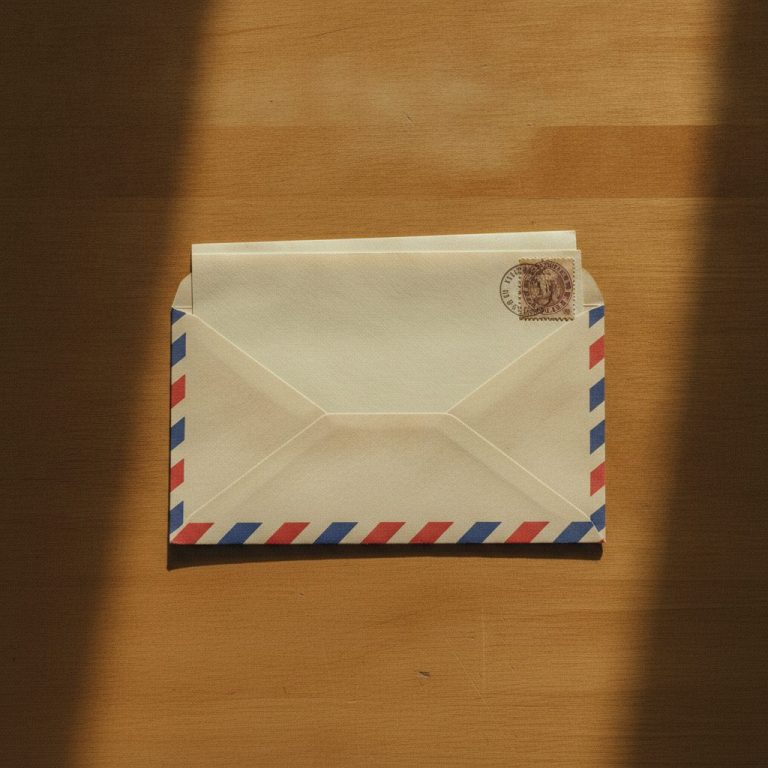
Write the date and where you are. “Sunday, the kitchen, just before midnight.” It sounds small, but it tells your brain you have already begun.
Start with one specific thing you miss. Not the whole person. One thing. The way they laughed when they were not expecting to. The smell of their jumper. The voice note they sent on Tuesdays. One thing is the way in.
Say what you would say if they were in the room. Plain. Unguarded. “I miss you,” “I think about you on the way to work,” “I am sorry for how it ended.” The letter is for the things you cannot fit in a text.
Close with what you wish for them, not for yourself. “I hope you are well,” “I hope someone is taking care of you,” “I hope you are happy where you are.” A wish carries less weight than a request.
Who these letters are for
Someone in another country. Someone you broke up with and never finished talking to. A friend who drifted. A parent you have not spoken to in a year. Someone who died before you could say it. The letter works for all of them, because the shape is the same. You miss them. You are writing it down.
If the person you miss has died, the letter does not lose its point. Many people keep these letters in a bedside drawer and read them once a year. The page becomes a place to talk to someone who can no longer answer.
Examples to borrow from
Letters from people writing into different kinds of silence.
- Read A Letter Across the Ocean, to someone three time zones away.
- Read The Letter I Never Sent, written and kept in a book.
- Read To the Friend I Lost Touch With, on a friendship that quietly ended.
- Read Letter to My Mother, a Year After, written to a parent who has died.
- Read To the One Who Walked First, a letter to someone who left.
If you are going to send it
Wait a day before you decide. Write the letter, leave it on the table, sleep on it. In the morning, you will know whether the letter is for them or for you. Both are fine. Only one of them needs a stamp.
If you send it, do not ask for a reply inside the letter. “I am not expecting you to write back” is a kinder line than “please write to me.” It frees them to read the letter without having to perform a response.
Put your return address on the envelope anyway. Whether they answer or not is theirs. Whether they can find you is yours.
If you are not going to send it
Date the letter and put it somewhere safe. A drawer, a notebook, a folder on your laptop. Letters that are never sent still count, and many of them get read again later in life by the person who wrote them.
Some people burn the letter once they have written it. The writing was the point, the letter has done its job, the paper can go. That is allowed too. There is no rule.
What to avoid
- Listing every reason you miss them. Pick one specific thing.
- Demanding contact. A letter that demands a reply turns into a request, not a gift.
- Writing in poetry when you would normally write in plain text.
- Apologising for writing the letter. You are allowed.
- Re-reading it five times before sending. Read it once, fix the typos, send it.
Frequently asked questions
What do you say in a letter to someone you miss?
Start with one specific thing you miss about them, not a general statement. Say what you would say if they were sitting in the room with you. Keep the sentences short. Close with a wish for them, not a request from you. Sign it with your name.
Should I send the letter or keep it?
Write it first, then wait a day. In the morning you will know whether the letter is for them or for you. Letters kept in a drawer still do their work for the person who wrote them. Sending is optional, writing is the point.
What if the person I miss has died?
You can still write to them. Many people do. The letter becomes a place to say what was left unsaid, and most readers find it helps. Keep the letter somewhere safe and read it again on the anniversary if it brings you closer.
What if I do not know what I miss exactly?
Write that down as the first line. “I do not know what I miss about you, only that I do.” Honest opening lines are often the best ones. The specifics tend to come once the pen is moving.
Further reading
For a writer’s take on why missing someone still drives people to paper, see Lit Hub’s The Radical Act of Writing a Love Letter, on what the form gives you that the phone cannot.
Read more about how we host and lightly edit submissions in our editorial standards.