Why one line is enough
A full letter built out of famous quotes reads like a school project. One line, used as a way in, reads like a person who paused to think about how to start. There is a difference.
If a quote does most of the heavy lifting in your letter, the reader will feel it. Keep the quote short, keep the rest yours.
How to use a quote without leaning on it
Put the quote in the first paragraph or the last, not both. The opening sets a tone. The closing leaves them with something. The middle of the letter is where your own voice has to live.
Say why the line means something to you. Three sentences of context turn a quote from decoration into a real moment. “I read this years ago and I have thought about it every time I look at you” gives the line weight.
Skip the famous over used ones. “How do I love thee, let me count the ways” is beautiful and also exhausted. Pick a line that is less worn out, or pick a line from a song or a film you both know.
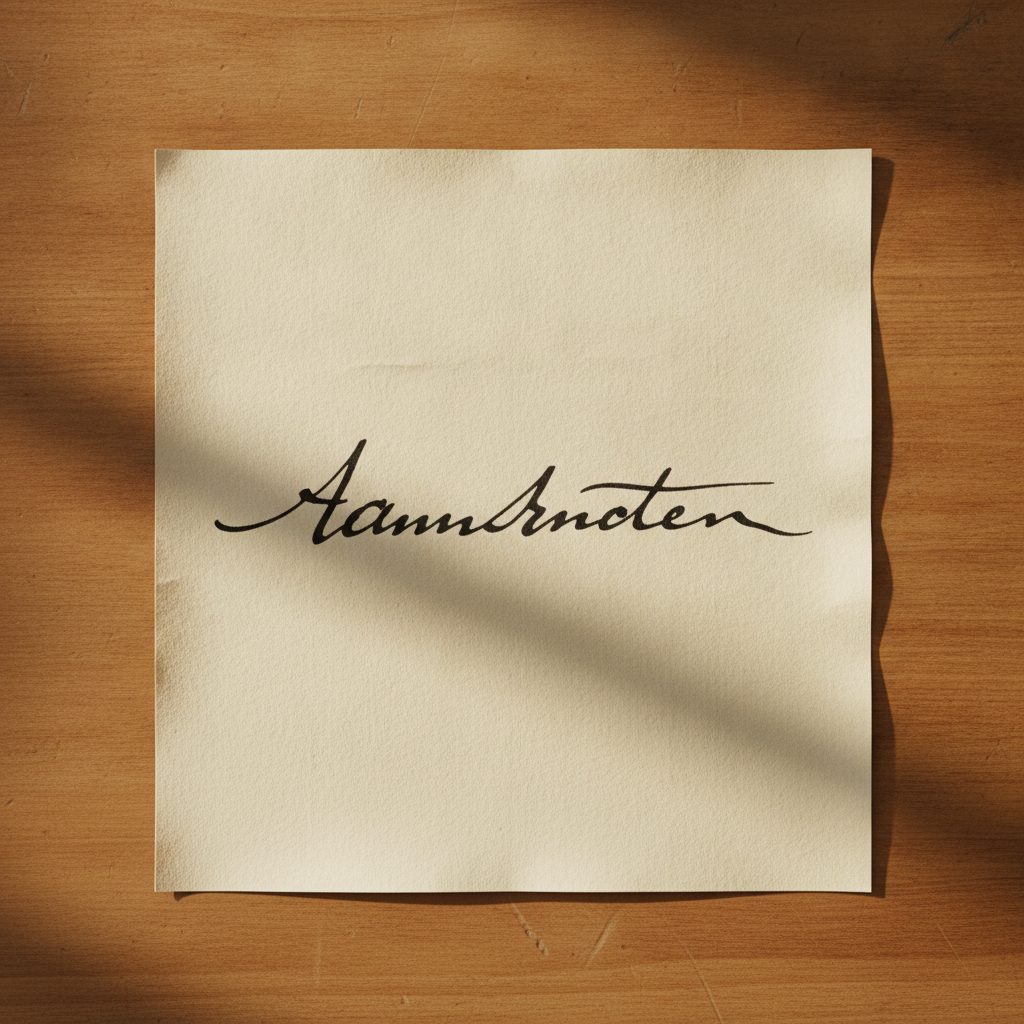
Write the quote in your own handwriting, do not print and stick it on. It should look like a line you wanted to write down for them, not like a clipping.
Quotes you can borrow
For an opening
“I have loved you all the way through.” Use when the relationship is long and you want to say so without listing years.
“I have been quiet about how I feel for a while, so here it is on paper.” A working line for a first love letter, or one written after a long silence.
“There are things I find easier to write than to say.” Honest, plain, sets the reader up for the rest.
For a closing
“I will love you on the days you are easy to love and on the days you are not.” Closes a letter to a partner, a husband or wife.
“You do not have to write back.” A soft close for a letter where you just needed to say it.
“Wherever you are when you read this, I hope it is somewhere quiet.” Closes a long distance letter or one written to someone going through a hard time.
Examples to borrow from
Letters that use one line and let the rest be the writer’s own.
- Read the Love Letter Template, for the frame around the quote.
- Read Handwritten Love Letter, on copying a line out by hand.
- Read The Letter With One Line, a short letter built around a single borrowed sentence.
- Read Valentines Day Love Letter, where a single quote lifts a card from generic to personal.
- Read Love Letters to My Husband, for closing lines after years of marriage.
- Read Long Distance Love Letters, for opening lines across miles.
What to avoid
- Stringing five quotes together. The letter stops being yours.
- Quoting a writer you have never read.
- Using a line that is too famous, unless the line is a private joke between you.
- Putting the quote in italics and a different font. A handwritten line is enough.
- Translating a quote from another language unless you actually speak it.
Frequently asked questions
Is it okay to use a famous love quote in my letter?
Yes, if it is one line and you say why it matters to you. A short borrowed line can start a letter that you then carry in your own words. What to avoid is a letter that is half quotes from poets and half greetings, with very little of you in between.
How many quotes is too many in one letter?
More than one and the letter starts to feel like a card. One at the start or one at the end is the limit for most letters. The rest of the page is your voice, your memories, and your name.
Where can I find good quotes that are not over used?
Look in books and films you both already like rather than searching the same quote lists everyone else uses. Lines from songs you played in the car, films you watched on a trip, books one of you gave the other, these land harder because they have a shared history.
Should I credit the quote in the letter?
If it is a known writer and the credit fits, yes, in small handwriting under the line. If it is a song lyric, you do not need to credit it, the reader will know. The credit should not interrupt the flow of the letter.
Keep reading
Further reading
For a slow read on what a great love letter actually sounds like, The Marginalian’s piece on John Keats’s letters to Fanny Brawne is one of the best places to start. Keats wrote in plain bursts when he could not be near her, and the lines that survived two hundred years are the ones that sound the least poetic.
If you are looking for a line to open your own letter, you will find quotable sentences in there. Use one and write the rest yourself.
Read more about how we host and lightly edit submissions in our editorial standards.